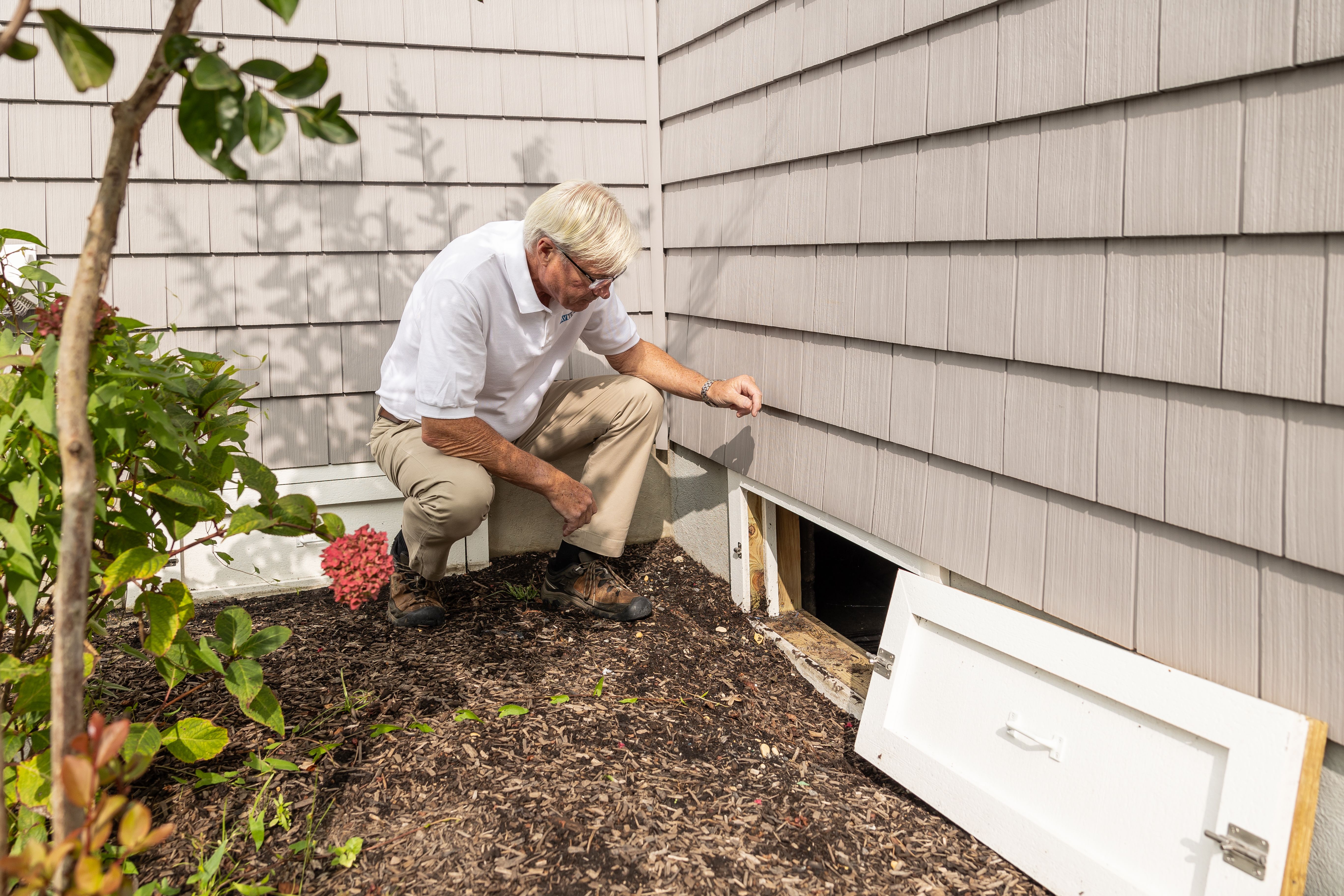
Picture this: a tenant moves out after two years, and you find a large stain on the bedroom carpet. You want to deduct the cleaning cost from the security deposit, but the tenant insists the stain was there when they moved in. Who is right? Without documentation, this becomes a frustrating standoff — and one that can end up in small claims court. A simple move-in and move-out inspection would have settled it in seconds.
Rental property inspections are one of the most overlooked tools in property management, yet they protect both landlords and tenants. In this article, we will explain what these inspections are, why they matter, what North Carolina law says about documenting rental condition, and how to do them the right way.
What Is a Rental Property Inspection?
A rental property inspection is a documented walkthrough that records the exact condition of a unit at a specific point in time. The two most important inspections happen at the beginning and end of a tenancy.
The Move-In Inspection
The move-in inspection takes place before or on the day the tenant takes possession. You walk through the property room by room and record the condition of everything: walls, floors, appliances, fixtures, windows, and more. Ideally, the tenant participates and signs off, and you take dated photos or video. This becomes your shared baseline.
The Move-Out Inspection
The move-out inspection happens after the tenant returns possession of the property. You repeat the same walkthrough and compare the current condition against the move-in record. The difference between the two, minus normal wear and tear, is what determines any legitimate security deposit deductions.
Why Move-In and Move-Out Inspections Matter for Landlords
For landlords, inspections are your first line of defense against disputes and lost income. Here is what a solid inspection process gives you:
- Clear evidence for deposit deductions. If you need to charge for damage, you can show a before-and-after comparison that is hard to argue with.
- Protection in small claims court. Dated photos and a signed condition report are exactly the kind of documentation a judge wants to see.
- Early detection of maintenance issues. A mid-lease or move-out inspection can catch a small leak or failing appliance before it becomes an expensive repair.
- A more professional relationship. When tenants know the condition is documented, they tend to take better care of the property.
Why Inspections Matter for Tenants
Inspections are not just a landlord tool — they protect renters too. A thorough move-in inspection means a tenant will not be charged for pre-existing damage they never caused. If a cabinet door is already loose or the carpet is already worn on move-in day, documenting it protects the tenant's deposit months or years later.
Tenants who take their own dated photos on move-in day, and who ask for a copy of the signed condition report, put themselves in a strong position to get their full deposit back. Transparency benefits everyone.
What North Carolina Law Says About Deposits and Condition
North Carolina's Tenant Security Deposit Act sets clear rules for how deposits must be handled, and good inspection records are what let a landlord comply with confidence.
Under North Carolina General Statute 42-51, a landlord may apply the security deposit only to specific costs, including unpaid rent, damage to the premises (beyond normal wear and tear), and certain costs of re-renting after a tenant breaches the lease. The statute also caps deposits at one and one-half months' rent for a month-to-month tenancy and two months' rent for longer terms.
Under North Carolina General Statute 42-52, the landlord must provide the tenant a written, itemized statement of any damages, along with the balance of the deposit, no later than 30 days after the tenancy ends and possession is returned. If the full amount cannot be determined in time, the landlord must send an interim accounting within 30 days and a final accounting within 60 days. Critically, the statute says a landlord may not withhold for normal wear and tear, and may not keep more than the actual amount of the damages.
That phrase — "normal wear and tear" — is exactly where disputes happen. A faded paint job and minor nail holes are wear and tear. A hole punched in a door or a pet-stained carpet is damage. The only reliable way to draw that line is to have a documented move-in condition to compare against. Laws can change, so always confirm current requirements and consult a licensed attorney for specific situations.
How to Document a Rental Inspection the Right Way
A good inspection is thorough, consistent, and dated. Follow these steps for both move-in and move-out:
- Use a standardized checklist. Go room by room and rate the condition of each item so nothing gets skipped.
- Take dated photos and video. Capture wide shots of each room plus close-ups of any existing damage or wear.
- Be specific in your notes. "Two-inch scratch on left side of refrigerator door" is far more useful than "fridge damaged."
- Have both parties sign. A signed condition report acknowledged by the tenant carries far more weight than one-sided notes.
- Give the tenant a copy. Sharing the record builds trust and removes the "I never saw that" argument later.
- Store everything securely. Keep reports and photos in one place, organized by property and tenancy, so they are easy to find when a deposit is returned.
Common Mistakes to Avoid
- Skipping the inspection entirely because the unit "looks fine." Without a baseline, you have no way to prove condition later.
- Relying on memory instead of photos. Recollections fade and are easy to dispute; dated images are not.
- Being vague. Broad notes like "some damage" will not help you justify a deduction.
- Charging tenants for normal wear and tear. This is not allowed under North Carolina law and is a common reason landlords lose deposit disputes.
- Missing the 30-day deadline. Even a legitimate deduction can be challenged if you do not provide the itemized accounting on time.
Key Takeaways
- Move-in and move-out inspections create a documented, before-and-after record of a rental's condition.
- They protect landlords in deposit disputes and protect tenants from being charged for pre-existing damage.
- North Carolina law requires a written, itemized deposit accounting within 30 days and prohibits charging for normal wear and tear.
- The best inspections use a standardized checklist, dated photos, specific notes, and signatures from both parties.
Handled well, inspections turn one of the most common sources of landlord-tenant conflict into a straightforward, documented process. Handled poorly — or skipped — they can cost you time, money, and goodwill.
Tired of chasing paperwork and worrying about deposit disputes? Doss & Spaulding Properties handles thorough, documented inspections for every property we manage in Greensboro and the Triad. Reach out for a free consultation and let us protect your investment the right way.